#02
Frank
Stella
“My design is like a blueprint transferred onto the bodywork.”
The 2nd BMW Art Car
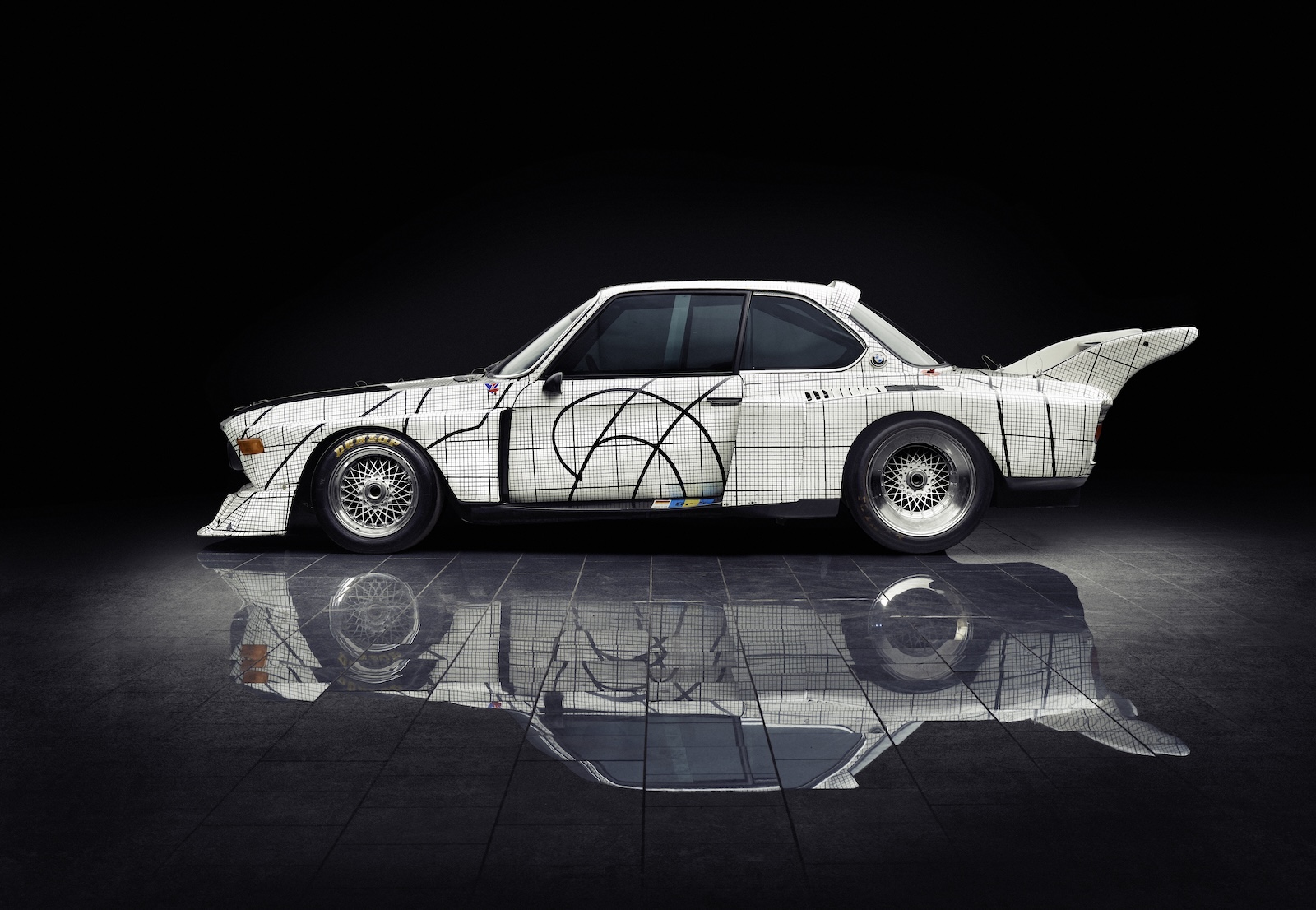
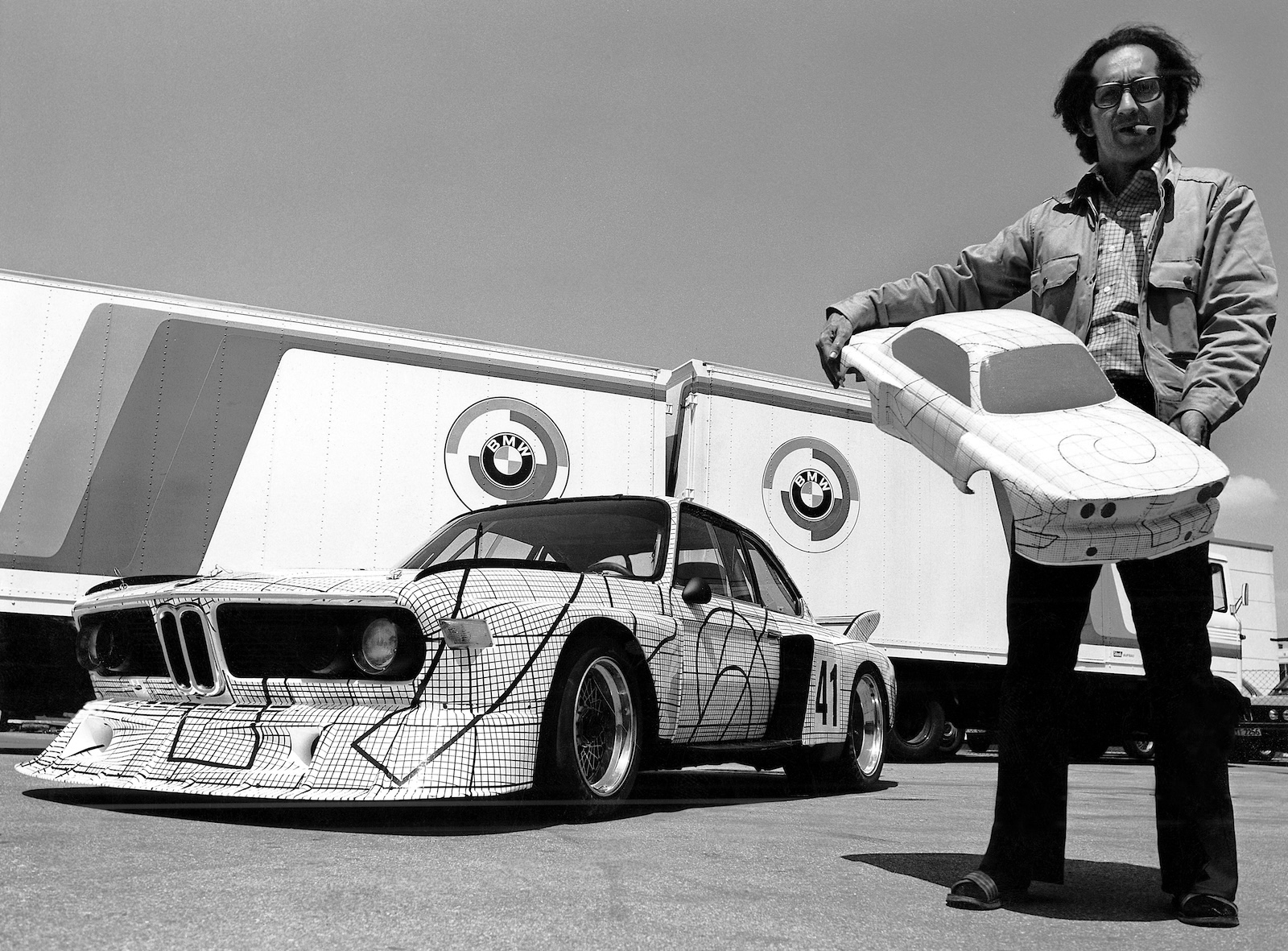
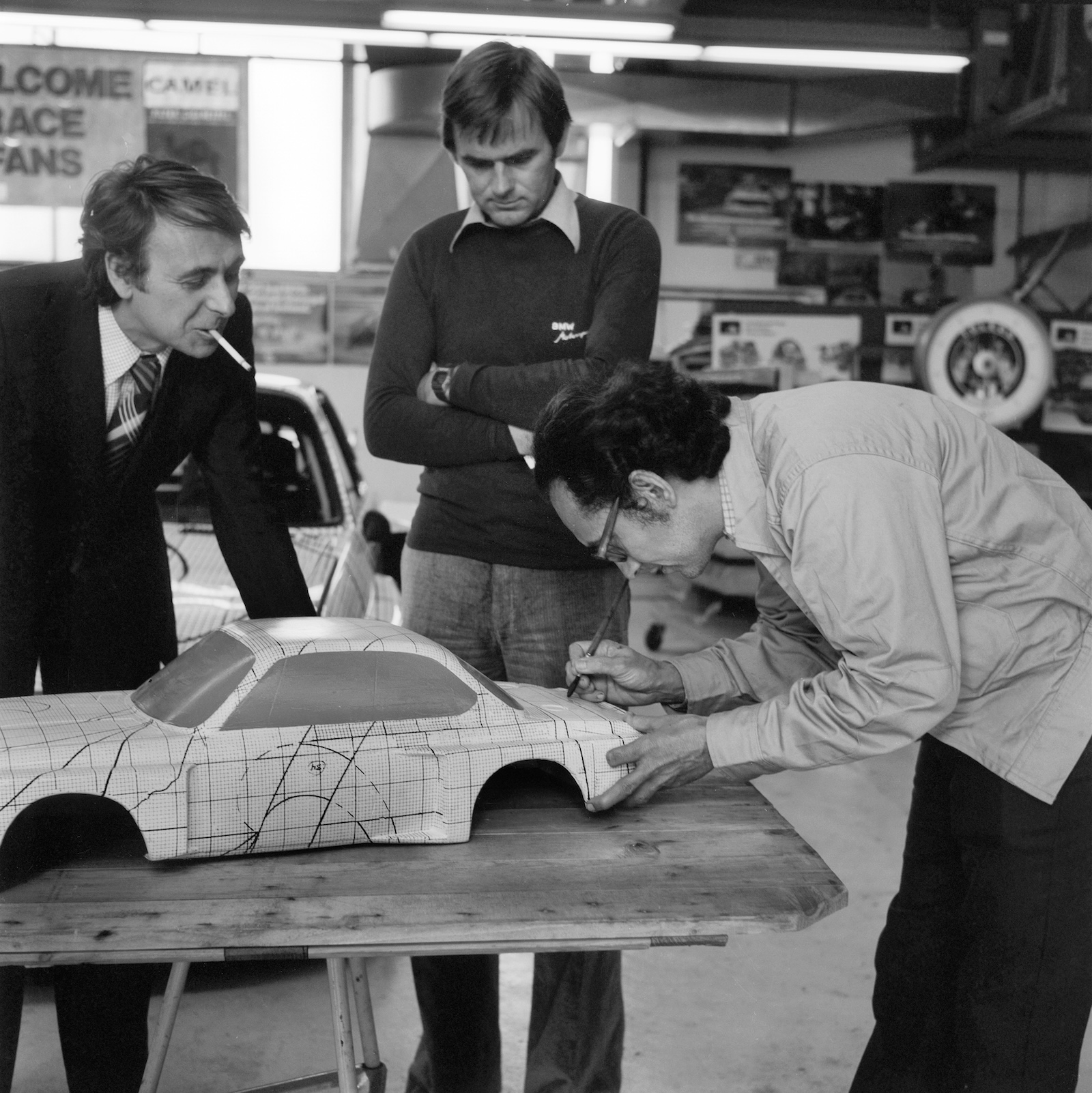
Although Frank Stella had already moved on from his Abstract Minimalist “Black Paintings” by 1976, he nonetheless returned to his artistic roots for his Art Car. When creating his design for the BMW 3.0 CSL, Stella sought inspiration from the racing coupé's precision engineering and created an exact black-and-white grid, reminiscent of oversized graph paper. This design, which took hundreds of hours of painstaking work to apply, accentuates the contours and lines of the car – an artistic reflection of technical precision. Stella's Art Car is thus a mobile sculpture, marking his turning point towards working with three-dimensional forms.
Frank Stella (1936–2024) was born in Malden, Massachusetts and began studying art at Phillips Academy in Andover, Massachusetts at the age of just 14. After studying history at Princeton University, he moved to New York and set up a studio. It was during this period that he produced his “Transitional Paintings” and “Black Paintings”, which resulted in a solo exhibition at the Museum of Modern Art in New York when he was only 23 years old. Frank Stella secured his place in art history during the sixties with his abstract colour paintings, which were exhibited all over the world. From the 1980s onwards, he devoted most of his time to relief paintings and sculpture. He died in New York City in 2024.
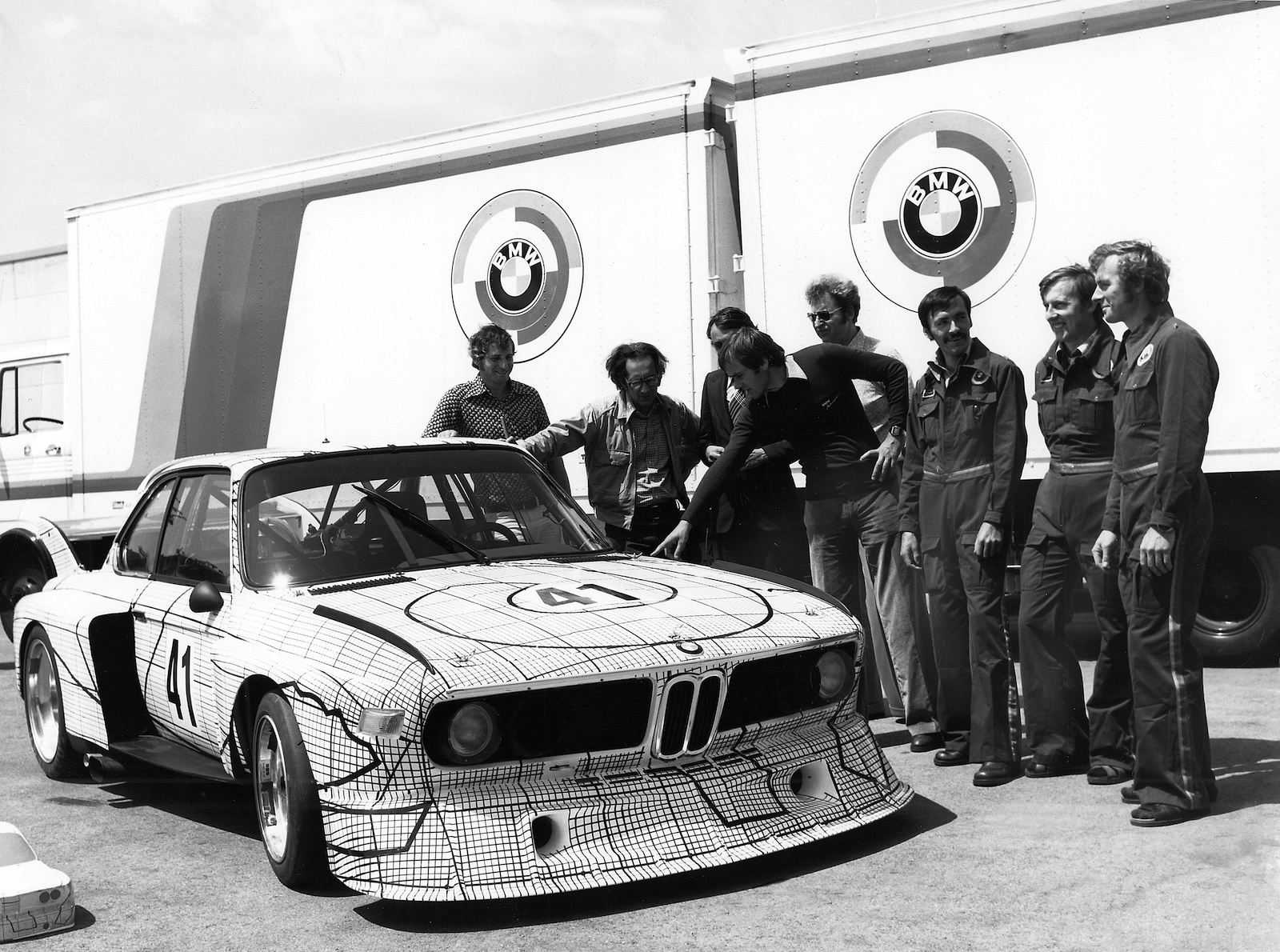
In 1976, Stella's coupé took part in the 24 Hours of Le Mans – a truly exceptional premiere for the work of such an ardent motor racing enthusiast. The car was driven by an Anglo-American team comprising Brian Redman and Peter Gregg but unfortunately suffered technical problems and was unable to complete the race. The same thing happened at the Dijon 6 Hours on 5 September 1976, when the car was driven by Swedes Ronnie Peterson and Gunnar Nilsson.


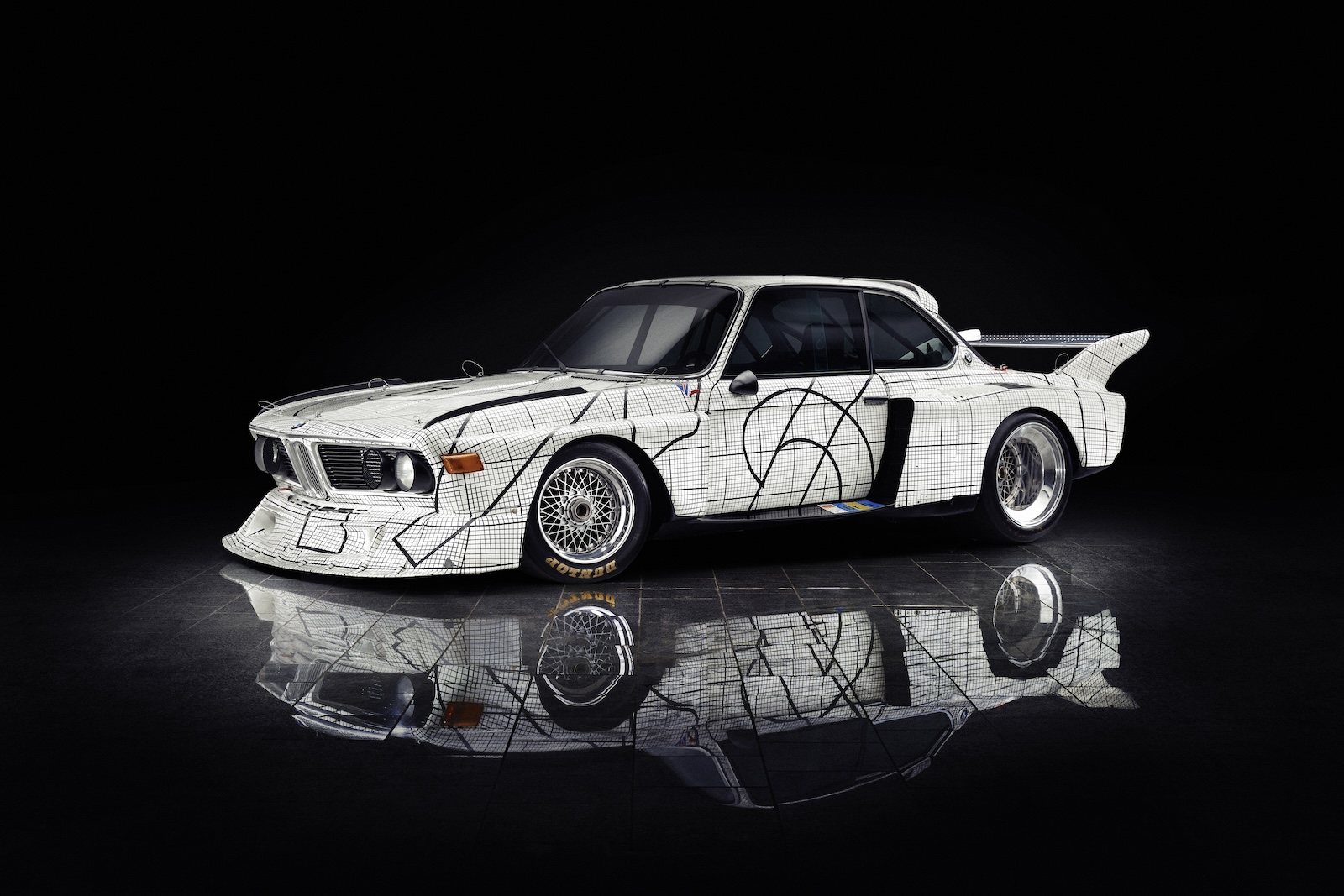
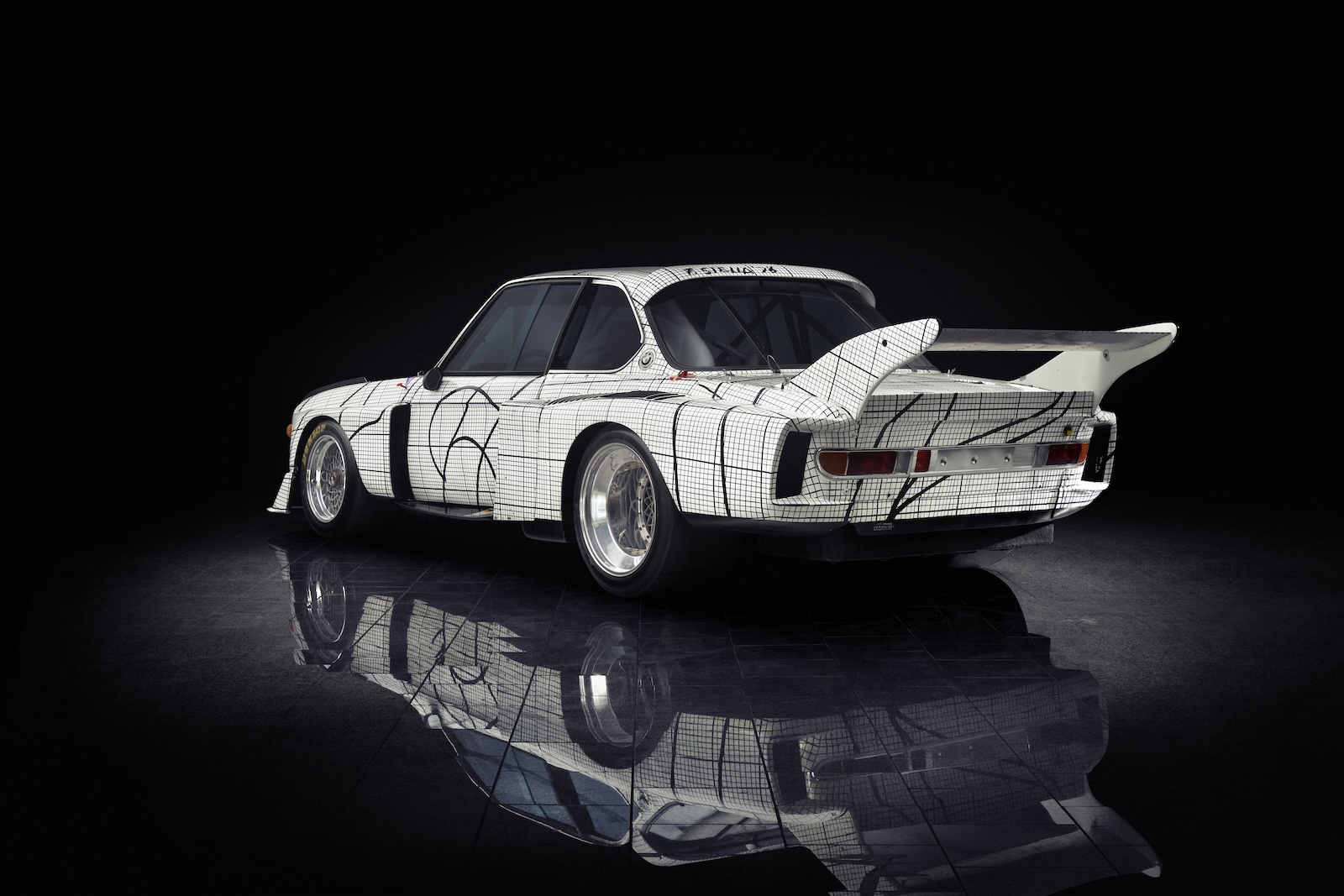
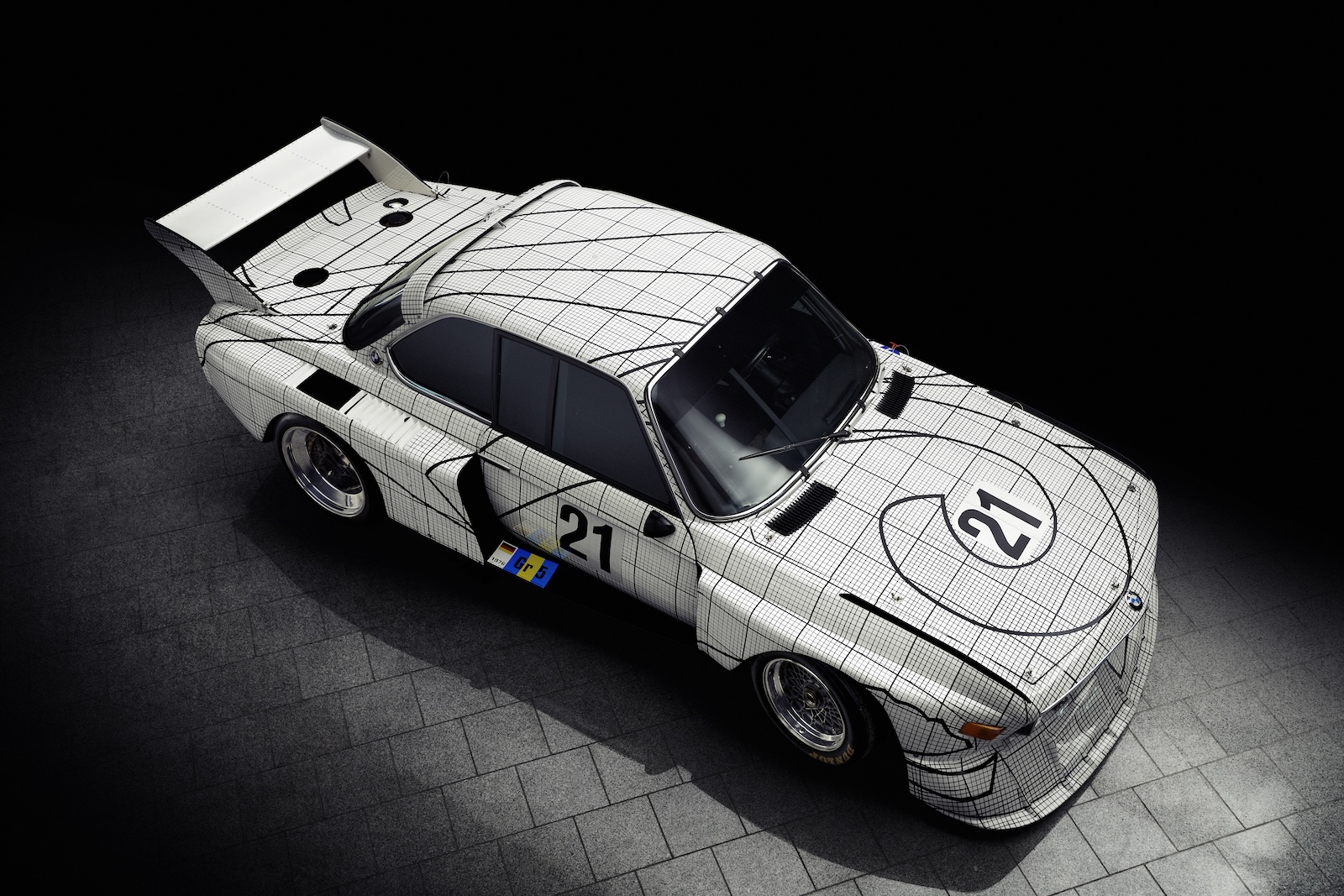
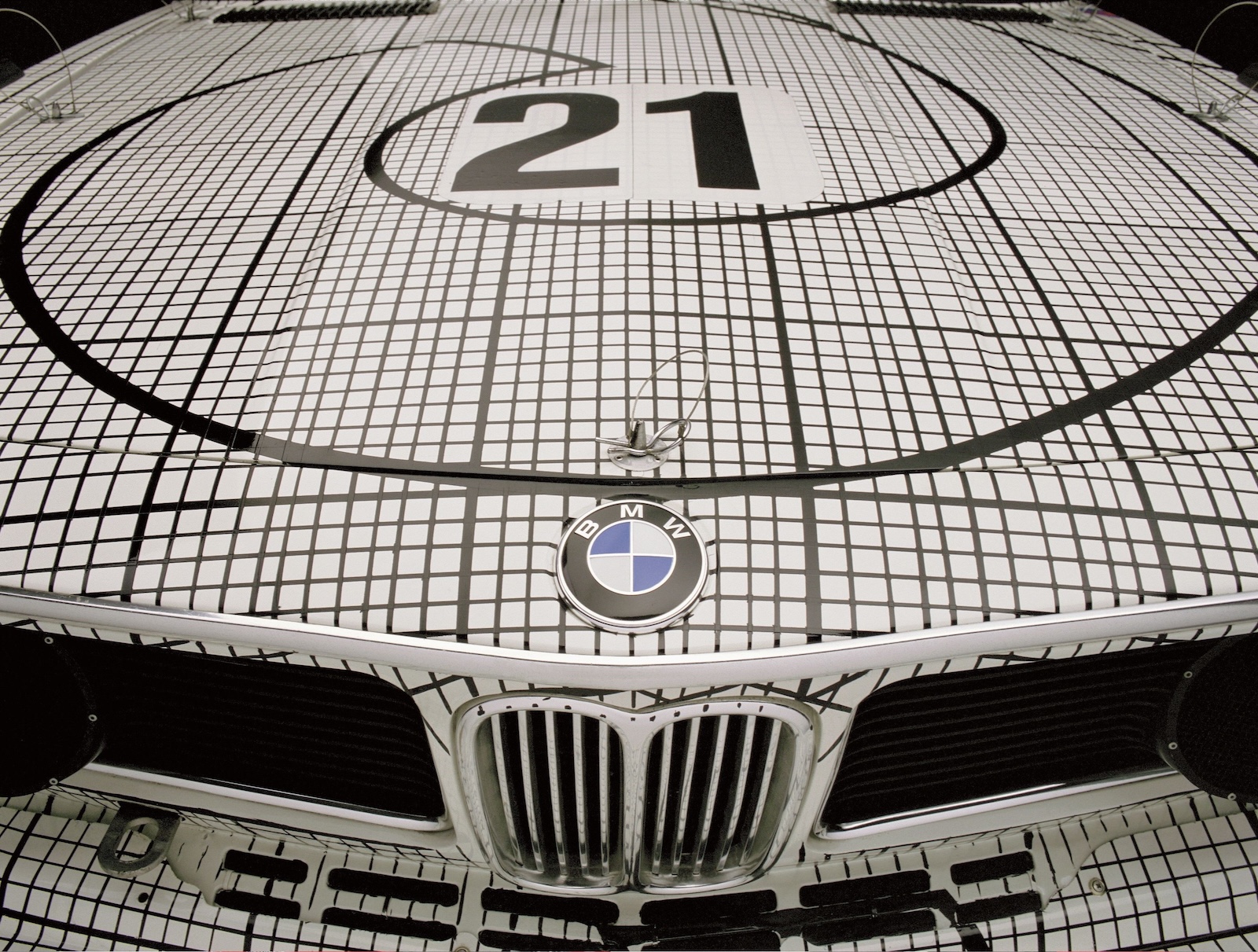
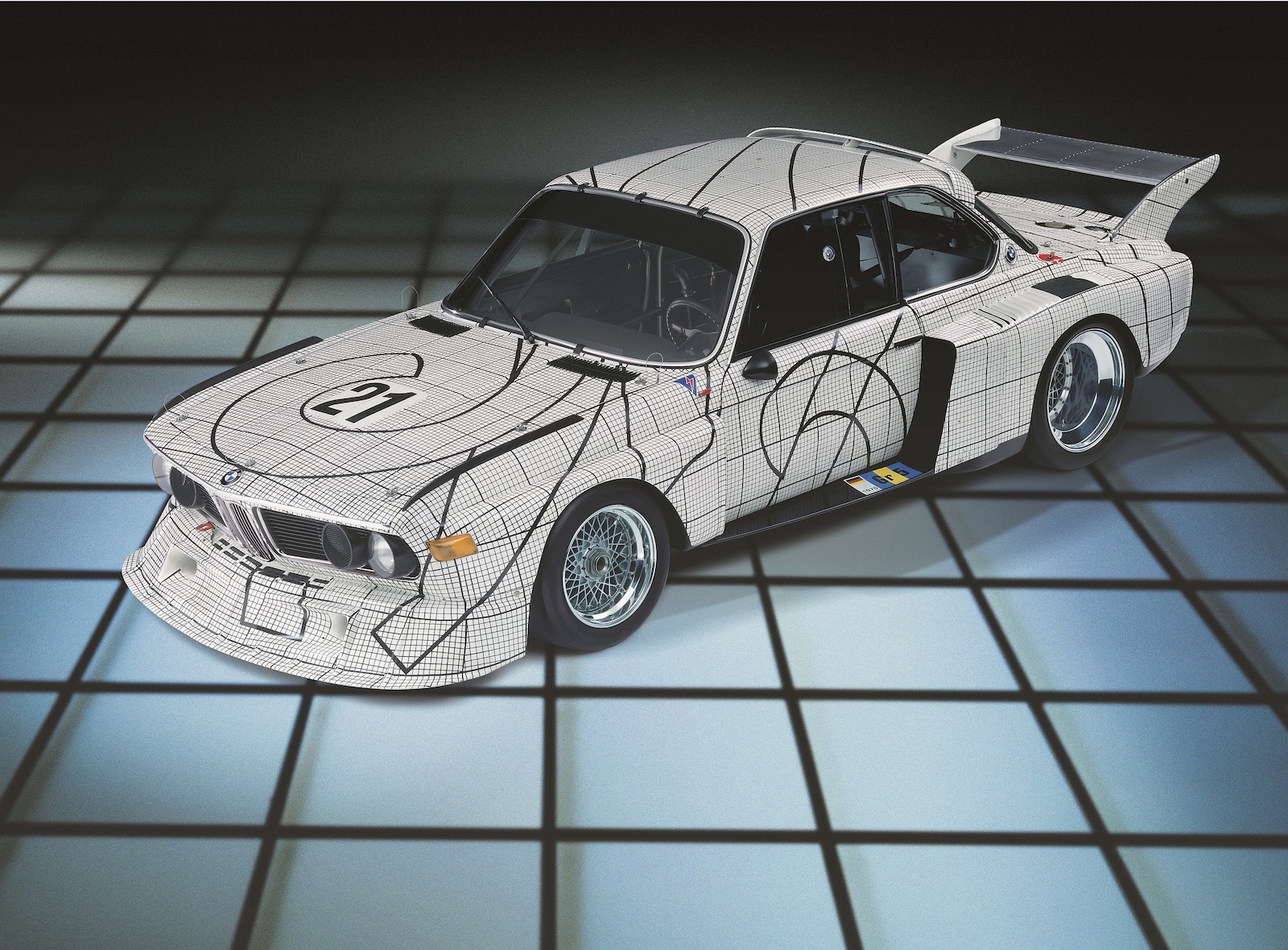
Frank Stella – The BMW 3.0 CSL
- Six-cylinder inline engine with turbocharger
- Four valves per cylinder
- Twin overhead camshafts
- Displacement: 3,210 cm³
- Power output: 750 bhp
- Top speed: 340 km/h